
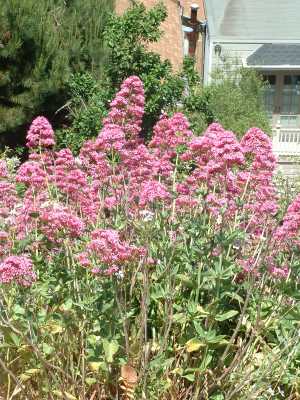
- Image via Wikipedia

Perennial flower beds can be considered as a basic component of a well-planned landscape design. They not only complement any garden, but are also easy to maintain. With perennial flower bed plans, you are not required to replace plants frequently, which is so in case of growing annuals and biennials. Once a perennial garden is established, you can follow simple maintenance tips to preserve the aesthetic value of the garden.
The color and flower type of perennial plants are plentiful; you can select specific varieties as per your flower garden theme. As we already know, the blooming period of perennial plants are short, usually 4 – 6 weeks. A properly planned perennial garden will give you the advantage of enjoying vibrant flowers throughout the year. While designing garden flower beds of a perennial type, make sure that you plan properly regarding the theme, beds and plant variety.
Perennial Garden: Designs for Flower Beds
Though perennial flowers can be grown randomly, plantation in beds gives a special visual impact. When viewed at a glance, vibrant colored flowers appear more beautiful when they bloom in groups, rather than in singles. Anytime, a perennial garden bed with full bloomed flowers is appreciated by every viewer. You can practice basic landscaping ideas for flower beds while designing a perennial garden. Following are some basic tips on perennial flower beds and designs for garden flower beds.
Perennial Garden Theme: First of all, select the theme of the perennial garden. You can opt for a formal type, scented type (roses and lavender), butterfly garden (salvia and buddleia), water garden or any other theme as your choice. If you are a beginner, it is always better to choose a manageable and attractive perennial garden type. Once you gain knowledge about the maintenance tips regarding various themes, you can go for more complex garden types.
Perennial Flower Bed Plan: Lay out the plan of the perennial flower beds according to the area of the yard. A wider bed gives more flexibility for designing the flower beds. Also, narrow flower beds give a crowded appearance. Nevertheless, too wide garden beds may be difficult to manage, as you will not be able to reach the middle plants. An 8 – 10 feet wide bed is a preferable dimension for perennial flower beds.
Selecting Perennial Flower: Selecting the plant variety is the most crucial step for designing a perennial flower garden. A basic tip is to select plants according to their required growing conditions (soil, light, water, temperature) so that they grow best in your garden. Another important aspect for selecting plant variety is the height, flower color, length of blooming and flowering time.
Creating Color Scheme: You can sort out the plants according to the height, flower color and blooming time prior to creating a color scheme. Also, make sure you consider the light requirements of the plants, while grouping perennial flowers. Speaking about the color scheme of the perennial flower bed, you can group perennial plants (of different colors) in odd numbers. A cluster of three perennial plants with various colors looks appealing. Warm flower colors include yellow, orange and red together; while cool colors are white, pink, purple and blue.
Plantation Pattern: While growing the perennial plants, place the short varieties (dianthus and phlox) on the front and tall plants (peony and iris) at the back. You can include 14 – 18 inch tall flowers in the front section, 1 – 3 feet tall varieties in the middle portion and 3 – 5 feet perennial flowers at the back. Planting in this pattern will create a scenic beauty to your perennial flower beds.


